Bloodstock agency · Racing management
They bid on pedigree. You bid on proof.
We judge a racehorse on what it can do, then represent you for the whole of its life: buying it, managing its career, and selling it at the moment it’s worth most.

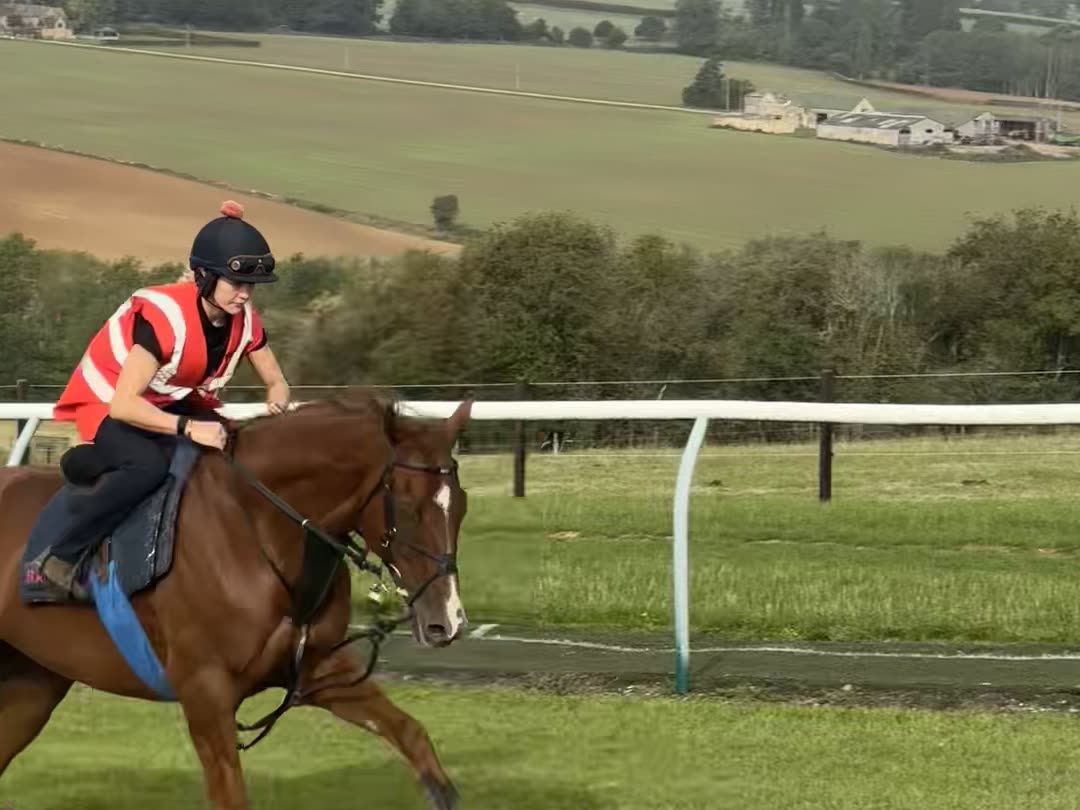
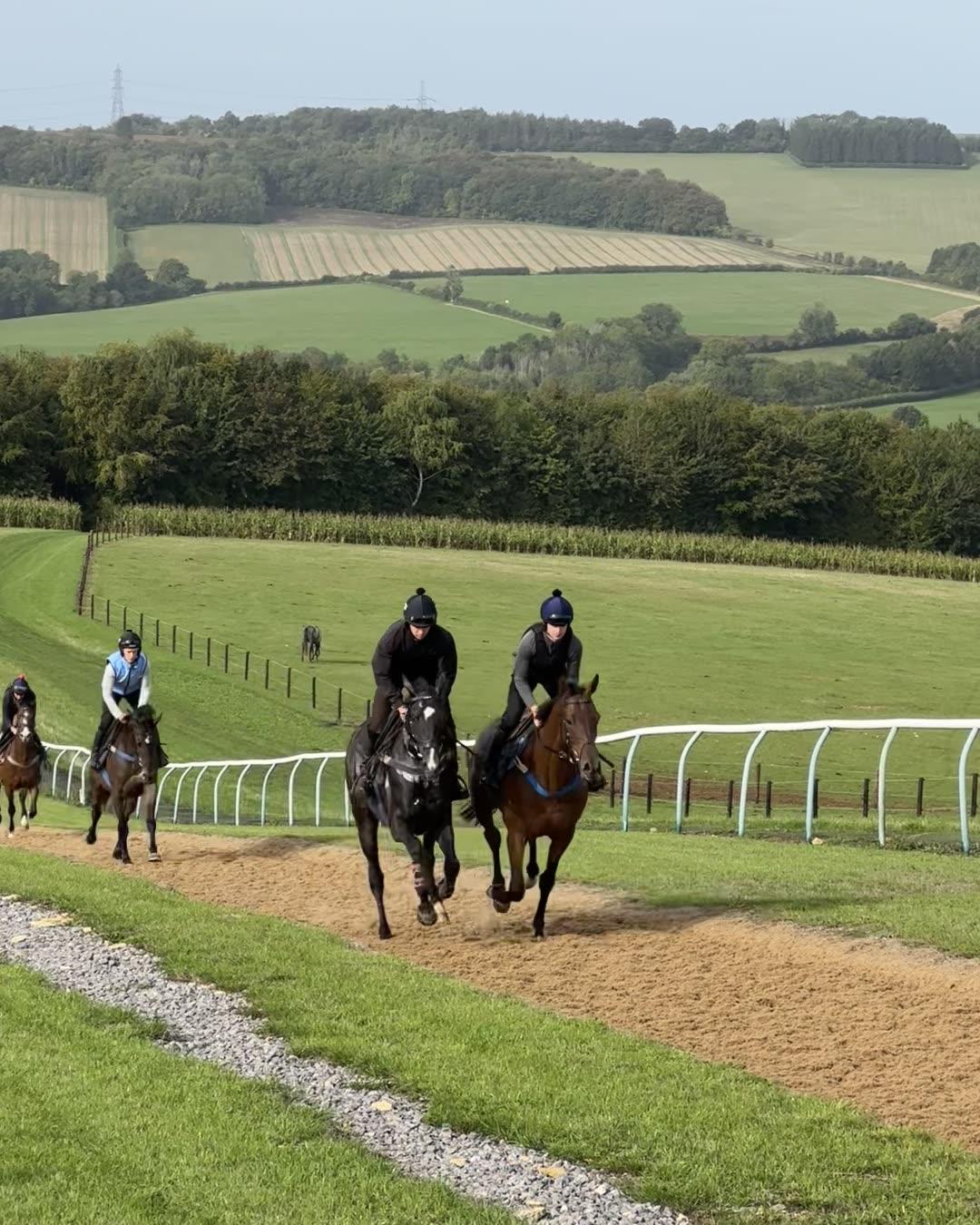
Ownership, represented
One representative for the whole life of the horse.
The great owners each have a racing manager. Most private owners don’t. We are that person, and because we bought your horse and know it best, we are also the right people to sell it.
What do we do?
Who is it for?
How does it work?
Fees are discussed privately and agreed in writing before we begin.
The idea
The catalogue prices the family. We price the horse.
Six-figure decisions in this trade are still made on remarkably little. A buyer is typically shown four things, and none of them says how the horse has actually trained.
What a buyer is shown
A pedigree page
written by the seller, to sell
A race record and a replay
for horses that have run
X-rays and a scope video
if the vendor lodges them, for your vet to read
A few minutes watching it walk
or, at a breeze-up, one short gallop
What nobody shows you
- Whether it is getting fitter
- Whether its work is getting faster
- How it copes with a hard week
- How quickly its heart recovers
- What trip it really wants
- How it should be ridden
For every horse we manage, we measure all of it, every day, on Stride. When we sell, the buyer sees the evidence.
Runner profile · Horse A
Where does he stand?
- StaminaTop0%
- Cruising speedTop0%
- PowerTop0%
- Top speedBottom0%
- Raw speedBottom0%
Against the other horses in his own yard, stage for stage. Weaker in one area isn’t a fault: it says what he is.
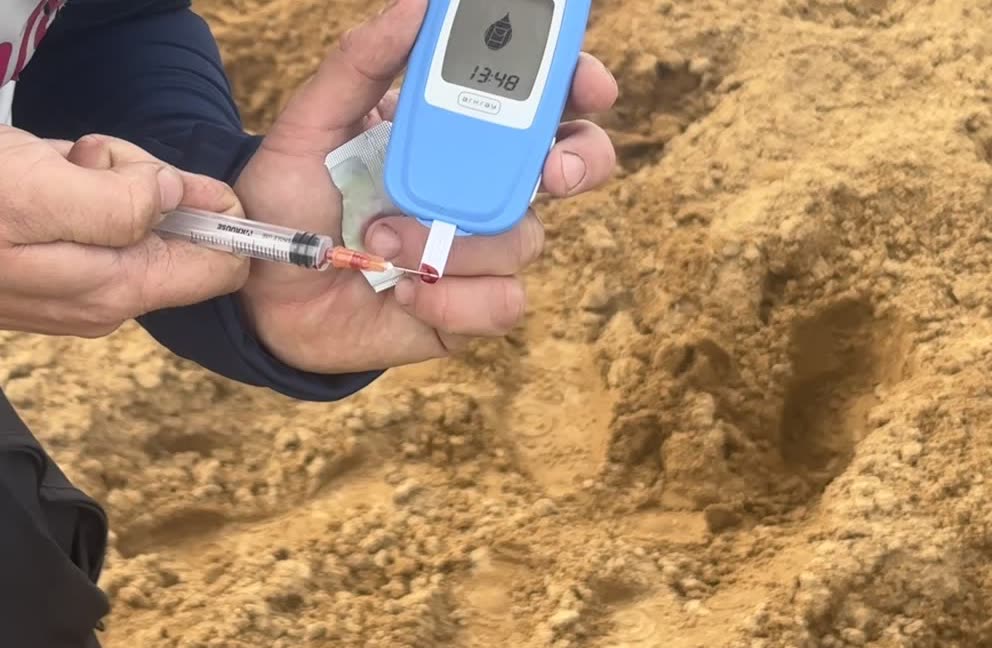
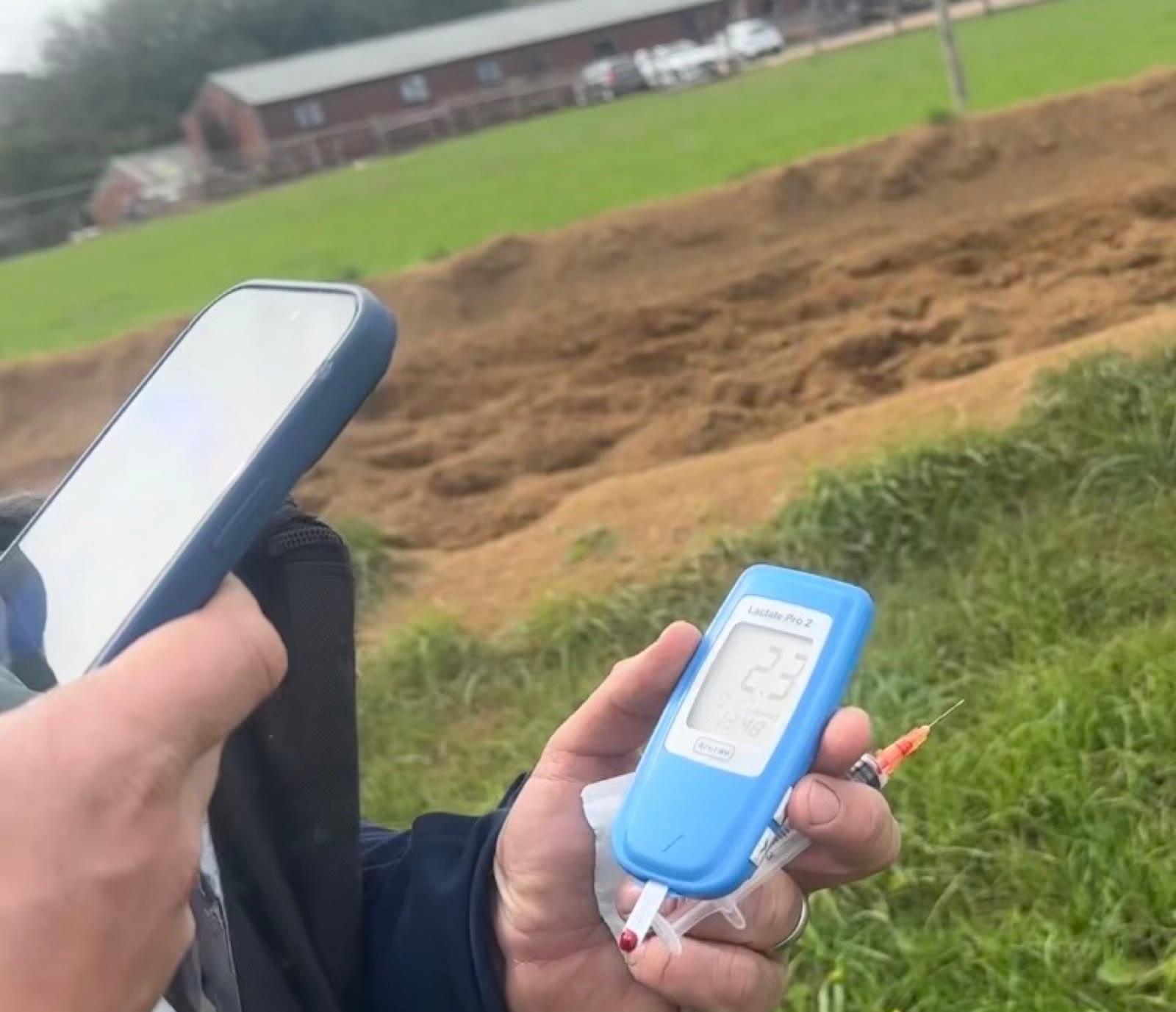
Blood lactate on the gallops · Profile illustrative: Horse A is not a real horse
The platform · Stride
Elite-sport structure, brought to the racehorse.
Most yards and owners still run on feel, pedigree and the clock. Stride turns a horse’s daily training (GPS and heart rate from the gallops, blood lactate, weigh-ins, the rider’s word) into answers. It is in daily use on horses in training today.
- Early warning
- Signs a horse isn't coping, seen before a problem rather than after.
- Fitter and faster
- Whether the training is building the engine, in numbers.
- The right race
- Speed horse or stayer, and the trip that suits him.
- Peak on the day
- A season planned in phases, the way an Olympic campaign is.
Stride informs. The trainer decides.
Learn more about StrideThe market, by numbers
In the jumps trade, proof is what sells.
A horse that has shown its ability walks into the sale ring with something no pedigree can promise, and buyers pay for it. Point-to-point winners are the clearest case.
Record
£530,000
Record price for a point-to-point debut winner
Tattersalls Cheltenham, March 2025
Average
£84,174
Average price of a point-to-point winner
Tattersalls Cheltenham, December 2025
Top lot
£300,000
Top lot of that December sale
Tattersalls Cheltenham, December 2025
The founder
Where the track meets the laboratory.
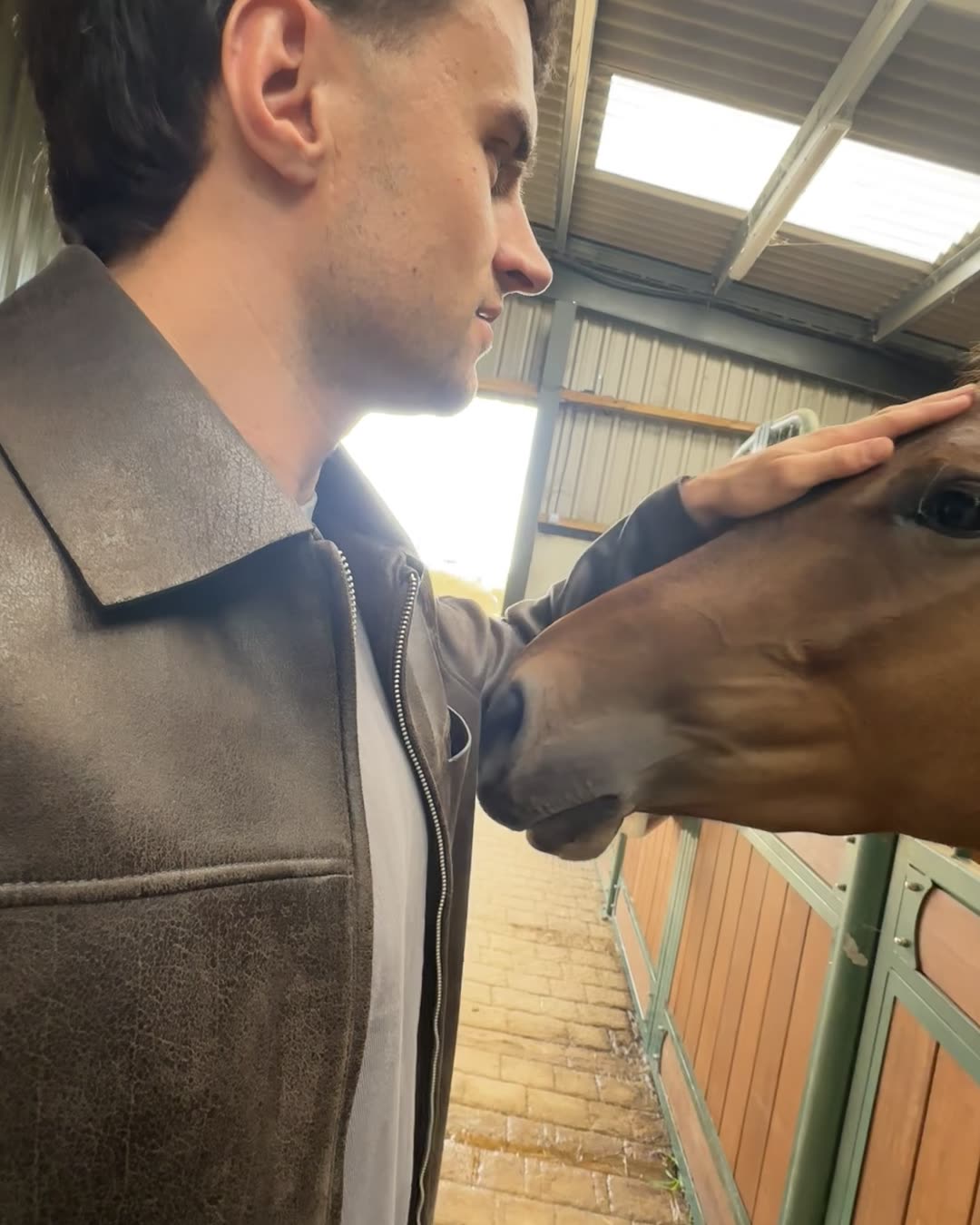
A current professional sprinter and Olympic medallist, Toby knows from the inside what it takes to build an engine, sharpen speed, and arrive at the one day that matters in the form of a lifetime.
He took a first-class degree in Biological Sciences at UCL while training at world level, and spent part of it in a world-leading origin-of-life laboratory, researching how DNA itself first came to be.
Vantage is where the two meet: the instinct of an elite athlete and the rigour of a scientist, turned on the sport of kings.
House rules
Discretion is expected. Honesty is the difference.
The bloodstock trade has a reputation. These rules are how we stand apart from it, and they are part of every agreement we sign.
iOne side of every deal
iiNo luck money
iiiEvery fee in writing
ivInterests declared
vYour records are yours
Private clients
We take on a small number of owners each season.
Every enquiry is read by the founder and answered personally, in confidence.